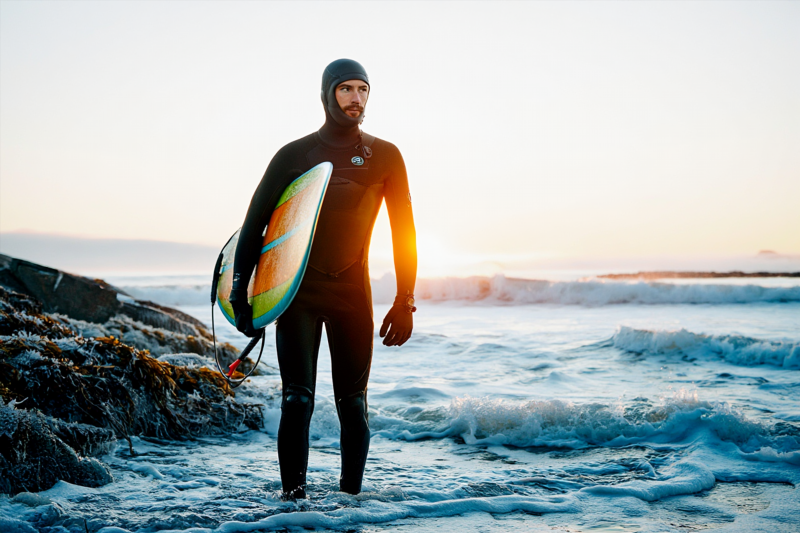
Cold Water Surfing Requires Unique Body Adaptations for Success
Understanding the Challenges of Cold Water Surfing
Cold water surfing presents a distinctive set of challenges that significantly differ from warm-water surfing. The frigid temperatures test the surfer’s physical resilience, mental endurance, and technical skills. Unlike tropical surf sessions, cold water environments demand not just mastery of riding the wave but also robust physiological adaptations to ensure safety, comfort, and peak performance.
Why Cold Water Demands Physiological Adaptations
1. Thermoregulation: Maintaining Body Core Temperature In cold water, your body constantly works to preserve core temperature, which is vital for muscle function, cognitive clarity, and overall safety. This involves:
- Vasoconstriction: Narrowing of blood vessels near the skin to reduce heat loss.
- Shivering: An involuntary response producing heat through muscle contractions.
- Metabolic Adjustments: Increased caloric intake to fuel heat production and energy needs.
2. Enhanced Circulatory and Respiratory Efficiency Exposure to cold water triggers physiological responses that improve cardiovascular resilience, including:
- Improved oxygen utilization.
- Increased blood flow to vital organs.
- Adaptations to manage sudden immersion shocks.
3. Cold Shock Response and Its Management A sudden immersion causes involuntary gasping, rapid heartbeat, and hyperventilation—all of which can be dangerous. Successful cold water surfers develop:
- Controlled breathing techniques.
- Mental focus to manage panic and maintain safety.
Key Physiological Adaptations for Cold Water Surfers
| Adaptation Area | Specific Changes | Benefits |
| Muscle Thermogenesis | Increased brown fat activity | Better heat production without shivering |
| Blood Flow Regulation | Improved peripheral circulation | Reduced frostbite risk and better limb dexterity |
| Respiratory Tolerance | Breath control and deep breathing | Manage cold shock and extend underwater breath-hold abilities |
| Skin and Tissue Resilience | Increased skin thickness and tissue density | Enhanced protection against cold-induced tissue damage |
Expert Tips for Safe Adaptation and Optimal Performance
1. Gradual Cold Exposure Start with short dips in cold water and slowly increase duration over weeks to build tolerance without risking hypothermia.
2. Proper Gear Selection Invest in high-quality wetsuits designed for cold water (such as 4/3mm or thicker), gloves, boots, and hoods to reduce heat loss and protect extremities.
3. Breath Control Techniques Practice controlled breathing exercises—like diaphragmatic breathing—to manage cold shock and conserve oxygen during immersion.
4. Physical Conditioning Engage in aerobic and strength training to improve overall circulation, muscle endurance, and mental resilience against cold stress.
5. Nutrition and Hydration Consume high-calorie, nutrient-dense foods before surf sessions. Hydration aids in thermoregulation and cognitive function.
6. Mental Preparation Develop visualization and mindfulness skills to maintain focus and reduce panic during cold water immersion.
Final Thoughts: Embracing the Cold for Enhanced Surf Mastery
Cold water surfing transforms your approach to the sport. It demands and develops unique physiological adaptations that elevate your overall surfing mastery—from paddling efficiency to wave riding precision. By understanding the body’s response to cold environments and adopting expert strategies, you can safely enjoy the invigorating challenge of cold water surfing while unlocking new levels of performance and ocean connection.
Ready to conquer the cold and elevate your surf game? Start your adaptive journey today—gear up, stay focused, and embrace the waves!