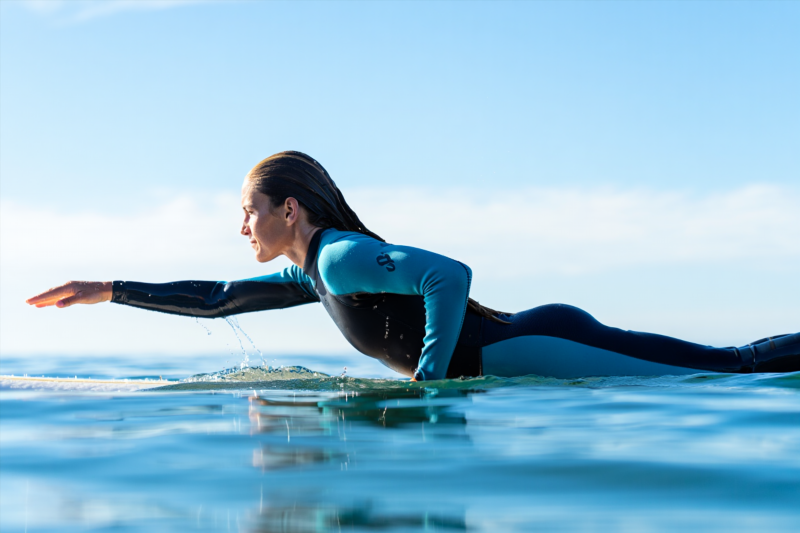
Explore Biomechanics to Maximize Paddling Power and Prevent Injuries===============================================================================
Understanding the biomechanics of paddling is essential for surfers aiming to elevate their performance while safeguarding their shoulder health. At WaveFlow Dominion, we delve into the science behind paddling techniques, revealing how body mechanics influence efficiency, power, and injury prevention. By mastering these principles, surfers can unlock new levels of endurance and skill, transforming their approach to the wave.
The Significance of Paddling Efficiency and Shoulder Health—————————————————-
Paddling is the foundational motion in surfing, directly impacting wave catchability, speed, and stamina. Inefficient paddling not only hampers performance but also increases the risk of shoulder injuries—common among surfers due to repetitive strain. Understanding biomechanics allows surfers to:
- Optimize energy transfer during paddling
- Minimize unnecessary muscle fatigue
- Prevent overuse injuries, particularly rotator cuff strains
- Enhance overall surfing endurance and control
Key Biomechanical Principles of Paddling———————————–
1. Proper Body Positioning
Efficient paddling begins with the correct body alignment:
- Horizontal Alignment: Keep the body flat and streamlined, minimizing drag.
- Center of Mass: Maintain a balanced position over the board for stability and power transfer.
- Head and Neck: Keep the head aligned with the spine, looking forward without craning.
2. Paddle Technique and Stroke Mechanics
A well-executed paddle involves synchronized movements:
- Catch Phase: Reach forward with a relaxed arm, extending fingertips into the water.
- Pull Phase: Engage shoulder and back muscles to pull through the water, generating maximum propulsion.
- Recovery Phase: Relax and prepare for the next stroke, conserving energy.
3. Shoulder Motion and Rotation
The shoulders play a pivotal role:
- Use a controlled rotation of the torso to assist shoulder movement.
- Avoid excessive elevation or hunching, which can strain the rotator cuff.
- Emphasize smooth, circular arm movements for optimal power transfer.
4. Breathing and Movement Timing
Breath control influences paddling rhythm:
- Coordinate breathing with stroke cadence to maintain stamina.
- Use breath to relax shoulders and prevent tension buildup.
Strategies to Enhance Paddling Power and Prevent Injuries——————————————————–
| Strategy | Implementation | Benefits |
| Strength Training | Focus on shoulder stability exercises and back muscle strengthening | Improves muscular support, reduces injury risk |
| Flexibility and Mobility | Incorporate shoulder stretches and thoracic spine mobility drills | Promotes full range of motion and healthy mechanics |
| Technique Drills | Practice drills emphasizing proper stroke mechanics and body position | Reinforces efficient movement patterns |
| Progressive Overload | Gradually increase paddling intensity and duration | Builds endurance without overstressing shoulders |
| Rest and Recovery | Schedule rest days and incorporate shoulder recovery protocols | Prevents overuse injuries and promotes longevity |
Implementing Biomechanical Insights Into Your Routine——————————————————–
- Video Analysis: Record and review your paddling to identify inefficiencies.
- Professional Coaching: Seek expert feedback on technique adjustments.
- Customized Training: Engage in exercises tailored to your paddling style and physical condition.
- Mindful Paddling: Focus on smooth, controlled movements rather than brute force.
Common Questions About Paddling Biomechanics
How can I tell if my paddling technique is inefficient?
Look for signs like shoulder pain, quick fatigue, irregular stroke rhythm, or inconsistent wave catching. Professional video analysis can help identify technical flaws.
What exercises improve shoulder stability for paddling?
Exercises like rotator cuff strengthening (e.g., internal and external rotations), scapular stabilization drills, and core strengthening are highly effective.
How do I avoid shoulder injuries during long surf sessions?
Maintain proper technique, do warm-up stretches before paddling, incorporate strength and flexibility training, and listen to your body’s signals to avoid overexertion.
Conclusion: Unlock Your Surfing Potential——————————————–
By exploring the biomechanics of paddling, surfers can significantly enhance their power, endurance, and injury prevention strategies. At WaveFlow Dominion, we emphasize that understanding and applying these principles transforms paddling from a mere motion into a performance science—making surfing more efficient, sustainable, and deeply rewarding. Start integrating biomechanics into your paddling routine today, and ride the waves with increased confidence and longevity.
Ready to take your paddling to the next level? Connect with our surf biomechanics experts or explore tailored training programs designed to optimize your paddling efficiency and shoulder health. Surf smarter, surf longer, and master the wave with precision and strength.