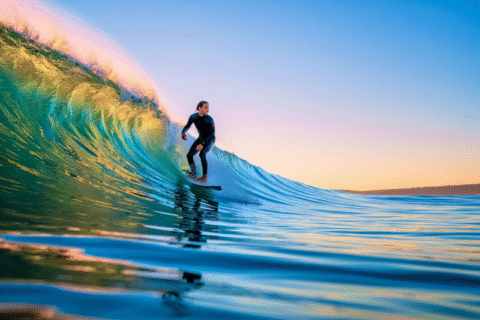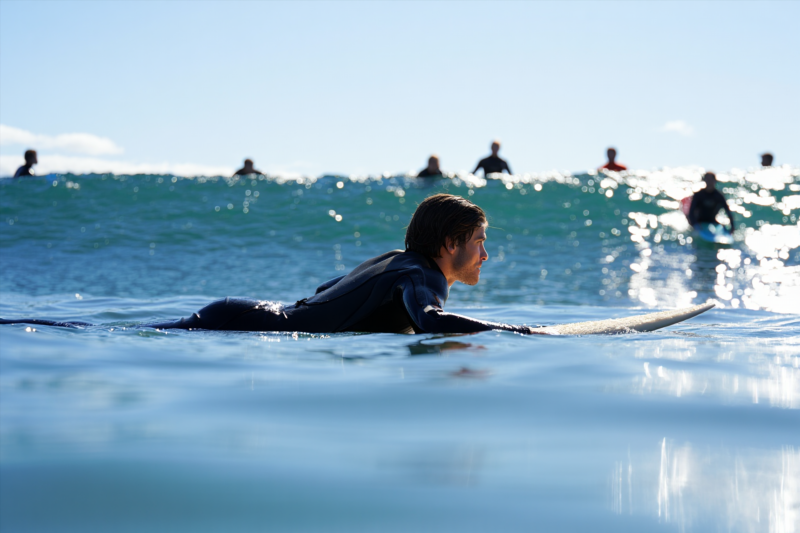
In the world of competitive surfing, as with many strategic sports, success hinges on more than just individual skill—it depends heavily on impeccable positioning, seamless coordination, and strategic decision-making. WaveFlow Dominion, a performance-driven platform exploring the depths of wave mechanics and ocean psychology, emphasizes the crucial role of mental maps in mastering the art of lineup positioning. This article explores how mental maps enhance team strategies and lead to better outcomes on the ocean’s stage.
Understanding Mental Maps in Surfing Lineups
Mental maps are internal representations that surfers develop to understand the spatial dynamics of their environment, especially within the lineup. These cognitive frameworks enable surfers to anticipate wave patterns, identify optimal positions, and coordinate with teammates seamlessly.
The Components of an Effective Mental Map
- Visual Spatial Awareness: Recognizing the landscape of the lineup, including peak locations, current, and wave formations.
- Strategic Zones: Knowing where to position relative to other surfers, set waves, and potential hazards.
- Timing and Movement: Anticipating wave development and adjusting positions proactively.
- Ocean Psychology: Understanding ocean behavior and the mental cues that inform decision-making.
How Mental Maps Enhance Precise Positioning
1. Improved Visual Understanding
Mental maps allow surfers to visualize the lineup even before entering the water. This heightened spatial awareness minimizes hesitation and maximizes wave-catching opportunities.
2. Faster Decision-Making
With a clear mental model of the lineup, surfers can make rapid, accurate choices about paddling, takeoff points, and positioning—crucial during competitive heats where seconds matter.
3. Strategic Coordination
For team-based surfing or competitions where multiple athletes share the lineup, mental maps foster better communication and anticipate teammates’ positions, reducing clashes and optimizing wave sharing.
4. Adaptability to Changing Conditions
Ocean conditions are inherently dynamic. A well-developed mental map helps surfers adapt strategies quickly as weather patterns shift, ensuring consistent performance.
Supporting Better Game Outcomes
By leveraging mental maps, surfers gain a competitive edge that translates into tangible results:
- Increased Wave Count: Precise positioning ensures surfers catch more quality waves.
- Reduced Conflicts: Better spatial awareness mitigates overlaps with other surfers, reducing penalty risks.
- Elevated Performance Consistency: Strategic positioning supported by mental maps leads to more reliable results.
- Enhanced Team Cohesion: Well-structured mental maps foster seamless teamwork and shared understanding.
Strategies to Develop Effective Mental Maps
Enhancing mental mapping skills involves deliberate practice and deep ocean immersion. Consider the following methods:
- Visualization Exercises: Regularly imagine the lineup, key spots, and wave trajectories even when not surfing.
- Pre-Surf Lineup Reconnaissance: Study the surf break beforehand using maps, videos, or aerial imagery.
- On-Water Drills: Practice positioning, paddling techniques, and wave selection in controlled environments.
- Team Strategy Sessions: Discuss and visualize lineup tactics collectively to build shared mental models.
- Reflective Practice: Review performance footage to identify positioning strengths and areas for improvement.
Frequently Asked Questions
How do mental maps specifically benefit team surfing competitions?
Mental maps foster shared understanding among team surfers, ensuring synchronized movements and efficient wave sharing, which maximizes scoring potential and minimizes conflicts.
Can mental maps be developed without extensive experience?
Absolutely. Visualization, study of the surf environment, and guided practice accelerate mental map development, even for beginners.
How do weather patterns influence mental mapping?
Changing weather and ocean conditions alter wave behavior and lineup dynamics. Developing adaptable mental maps is essential to maintain strategic advantage.
Incorporating mental map training into your surfing routine transforms how you perceive and interact with the lineup. As WaveFlow Dominion reveals, mastering wave mechanics and ocean psychology—through strategic visualization and spatial awareness—turns surfing into a deeply intentional, measurable sport. Whether you’re paddling out solo or coordinating as a team, investing in mental mapping skills unlocks a new dimension of mastery and performance on the wave.
Ready to refine your lineup strategy? Dive into mental mapping exercises today and experience the difference it makes in your surfing journey. Embrace the science behind the wave and elevate your game to new heights!