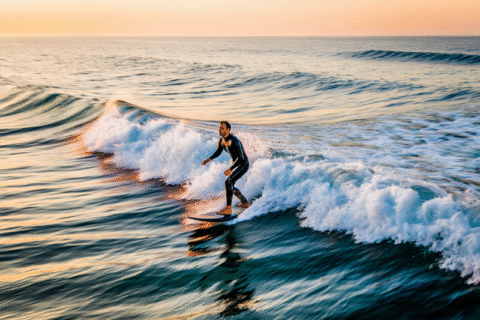
Understanding how to analyze surf spots and predict wave behavior is a critical skill for every surfer aiming to elevate their performance and enjoy safer, more rewarding sessions. Whether you’re a beginner eager to grasp the fundamentals or a seasoned athlete seeking to refine your strategic approach, mastering the art of surf spot analysis can transform your surfing experience. At WaveFlow Dominion, we explore the intricate dance of wave mechanics, ocean psychology, and board dynamics—knowledge that empowers you to read the ocean like a seasoned pro.
In this article, we will guide you through proven methods to evaluate surf locations, interpret wave patterns, and forecast break behavior. Applying these techniques will help you anticipate wave actions accurately, plan your sessions effectively, and beyond—elevate your overall surfing mastery.
The Fundamentals of Surf Spot Analysis
Before diving into prediction techniques, understanding the foundational elements of a surf spot is essential. Here’s what to consider:
1. Location and Geography
- Reef, Beach, Jetty, or Point Breaks? Each type influences wave formation differently.
- Depth and Shelf Slope: Steeper shelves tend to produce faster, hollow waves, whereas gentle slopes generate slower, spilling waves.
- Surrounding Features: Islands, headlands, or underwater formations modify wave direction and strength.
2. Wave Mechanics and Behavior
- Swells and Wind: The origin and direction of swells determine wave size and consistency.
- Tides and Currents: These significantly influence when and where waves break, affecting your session’s potential.
3. Weather and Ocean Conditions
- Wind Speed and Direction: Off-shore winds create cleaner, well-formed waves, whereas on-shore winds often produce choppier conditions.
- Weather Patterns: Storms and fronts can generate larger swells or unstable conditions, so tracking weather forecasts is essential.
4. Local Knowledge & Historical Data
- Ask Locals & Guides: Experienced surfers often know spot behaviors during different seasons.
- Utilize Data Sources: Buoy readings and surf forecasting websites offer real-time and predictive data.
Techniques for Analyzing Wave Patterns
Effectively predicting wave behavior combines observational skills, data interpretation, and understanding of ocean physics. Here are practical methods:
1. Visual Observation
- Visit the spot during different conditions to see how waves break.
- Focus on swell direction, wave height, shape, and how waves peel.
- Watch how waves interact with the underwater reef, sandbank, or point.
2. Using Surf Forecasting Tools
- Buoy Data: Provides real-time measurements of wave height, period, and direction.
- Swell Models & Satellite Data: Tools like Magicseaweed or Surfline offer forecasts and real-time visuals.
- Tide Charts: Understanding tide schedules helps anticipate when the waves will be at their best.
3. Distinguishing Between Prime and Less Favorable Conditions
| Condition Type | Indicator | Impact |
| Optimal | Consistent swell from the right direction, clean wind conditions, mid-tide | Offers the best wave quality and rideability. |
| Suboptimal | Choppy water, inconsistent swell, onshore wind | Less predictable, more challenging to surf. |
| Dangerous | Large, rogue waves, heavy currents, strong rips | Higher risk, requires advanced skills or caution. |
4. Monitoring Wave Periods
- Longer wave periods (≥12 seconds) usually indicate more powerful and longer-lasting waves, ideal for planning big or quality sessions.
Predicting Break Behavior
Once you’ve gathered data and visual insights, applying prediction techniques involves understanding wave physics and contextual factors:
1. Wave Break Type Prediction
Identify the likely break type based on the spot’s morphology:
- Spilling Breaks: Usually over gentle slopes—suitable for beginners.
- Plunging Breaks: Over steeper reefs or sandbars—best for experienced surfers.
- Surging Waves: Over steep, abrupt underwater features—powerful and often unpredictable.
2. Timing the Takeoff & Peak Windows
- Analyze swell arrival times, tide states, and wind conditions.
- Best waves often occur during mid-tide with off-shore winds and optimal swell periods.
- Use tide charts and forecast data to identify precise windows.
3. Anticipating Wave Direction and Speed
- Study the swell’s origin, direction, and predicted speed.
- Recognize how local features channel or block waves, affecting their approach and break pattern.
4. Understanding Rips and Currents
- Identify known rips and currents from previous observations or local knowledge.
- Use them to position yourself for optimal wave catching and safety.
Applying Analysis to Enhance Your Surfing Strategy
Combining spot analysis and wave prediction skills allows you to:
- Select the Best Sessions: Focus on days with optimal conditions for your level.
- Optimize Equipment Choice: Match your board and gear to expected wave conditions.
- Maximize Performance: Improve paddle efficiency, take-off timing, and maneuvers by understanding wave behaviors.
- Enhance Safety: Recognize risky conditions early and plan escape routes or avoid problematic spots.
Frequently Asked Questions
How long does it take to master wave pattern prediction?
Becoming proficient in surf spot analysis typically takes consistent practice over months or seasons, as you learn to interpret data and observe ocean cues accurately.
Can weather forecasts be unreliable?
While modern forecasting tools are highly accurate, ocean conditions can change rapidly. Always combine forecast data with on-site observation for best predictions.
What equipment is best for analyzing surf spots?
Equip yourself with tide charts, surf forecast apps like Magicseaweed or Surfline, and carry a notebook for recording observations over multiple sessions.
Mastering the art of analyzing surf spots and predicting wave behavior is an ongoing process that significantly elevates your surfing mastery. By understanding the interplay of ocean physics, weather patterns, and local features, you can anticipate wave actions with greater confidence, plan your sessions effectively, and ride with more consistency and safety.
At WaveFlow Dominion, we believe that decoding the ocean transforms surfing from mere recreation into a measurable, trainable, and deeply intentional sport. Commit to continuous learning, observation, and strategic planning—your best waves await.
Start your journey today: Equip yourself with knowledge, observe keenly, and surf smarter. Your next perfect wave is just a prediction away.