Surfing is a dynamic, high-stakes sport that demands lightning-fast reflexes, precise timing, and unwavering focus. While nothing fully replaces time spent riding the waves, athletes and enthusiasts can significantly enhance their reaction skills through targeted dry-land training. This article dives into effective drills, exercises, and mental techniques to improve your surfing reflexes without touching the ocean, helping you become more confident, agile, and prepared for any wave.
Why Improving Surf Reflexes Off the Water Matters
Before jumping into practical exercises, it’s vital to understand the benefits of refining your reflexes away from the surf:
- Enhanced Reaction Speed: Faster responses during critical moments on the wave.
- Increased Confidence: Less hesitation leads to smoother maneuvers.
- Better Muscle Memory: Reinforcing proper techniques through mental visualization and physical drills.
- Mental Preparedness: Cultivating focus and calmness under pressure helps in real surf scenarios.
- Time Efficiency: Effective off-water training complements ocean sessions, especially when ocean time is limited.
Core Techniques to Improve Surf Reflexes Without Water
1. Visual and Cognitive Drills
a) Reaction Time Apps and Games Utilize technology to sharpen cognitive responses. Apps like reaction light games or sports-specific training tools can be tailored to mimic surf scenarios, improving hand-eye coordination and quick decision-making.
b) Decision-Making Simulations Use videos or virtual reality (VR) setups to simulate wave conditions. Practice identifying the ideal takeoff window, predicting wave movements, and reacting to sudden changes.
2. Physical Conditioning for Reflex Speed
a) Plyometric Exercises Explosive movements train neuromuscular pathways for rapid responses.
| Exercise | Description | Benefit |
| Clap Push-ups | Explode off the ground, clap hands before landing | Builds explosive strength and reaction speed |
| Jumping Lunges | Alternate legs quickly with controlled landings | Improves lower-body quickness |
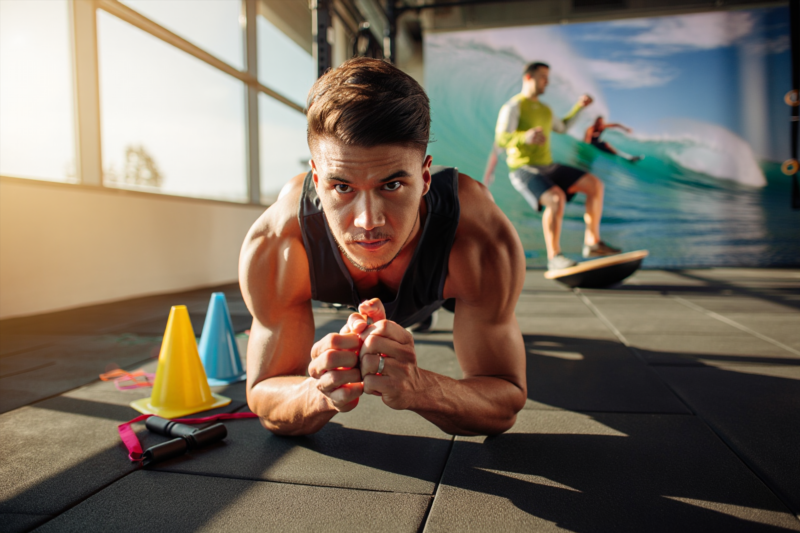
b) Agility Drills Use cone drills, ladder exercises, or jump rope routines to boost coordination, balance, and timing.
3. Balance and Coordination Training
- Balance Board Work
Simulates the stability needed on a surfboard. Practice shifting your weight and maintaining equilibrium in various positions.
- Single-Leg Exercises
Enhances proprioception, critical for maintaining control on the wave.
4. Mental Rehearsal and Visualization
a) Guided Imagery Visualize a perfect surf session: the takeoff, maneuvers, and landing. Reinforces muscle memory and sharpens neural responses.
b) Meditation and Focus Drills Practicing mindfulness enhances focus, reduces reaction delay, and keeps calm under pressure.
Practical Training Schedule for Offline Surf Reflex Enhancement
| Day | Focus Area | Example Exercise |
| Monday | Cognitive Reaction & VR Training | Load reaction time app; simulate wave scenarios in VR |
| Wednesday | Plyometric & Agility Drills | Clap push-ups, cone drills |
| Friday | Balance & Coordination | Balance board, single-leg exercises |
| Sunday | Visualization & Mindfulness | Guided imagery, meditation |
Tips for Integrating Dry-Land Training with Ocean Practice
- Consistency is Key: Regular practice yields better results.
- Combine Tech and Physical Drills: Use VR, apps, and physical exercises together for multisensory stimulation.
- Track Progress: Record reaction times, agility test scores, or visualization clarity to motivate improvement.
- Adapt to Your Level: For beginners, focus on basic coordination; advanced surfers can incorporate complex drills.
FAQs About Off-Water Surf Reflexes Improvement
Can I really improve my surfing reflexes without being in the water?
Absolutely. While on-water experience is irreplaceable, dry-land exercises can significantly enhance reaction speed, muscle memory, and mental clarity, leading to quicker and more confident responses in the water.
What exercises are most effective for surfers?
Plyometric movements, agility drills, balance exercises, and mental visualization are proven to develop the neuromuscular responses necessary for effective surfing.
How long until I see progress?
Consistency matters. Most surfers notice improvements in reaction time and confidence within 4 to 6 weeks of dedicated off-water training.
Are there specific tools I should use?
Reaction time apps, VR simulations, balance boards, jump ropes, and resistance bands are valuable tools for targeted training.
Final Thoughts: Transforming Surfing into a Measurable and Intentional Sport
By integrating these innovative off-water drills into your training routine, you harness the power of neuromarketing principles—transforming instinctual reactions into deeply trained, measurable skills. WaveFlow Dominion advocates for understanding wave mechanics, board dynamics, and ocean psychology, and now, through strategic dry-land exercises, you can elevate your surfing mastery even further. Like decoding paddling efficiency and surf strategies, improving your reflexes without touching the ocean makes your approach more intentional, precise, and ultimately, more unstoppable on the wave.
Ready to boost your surf reflexes? Start today with these practical drills, and watch your athletic performance surge—both on the beach and beyond.