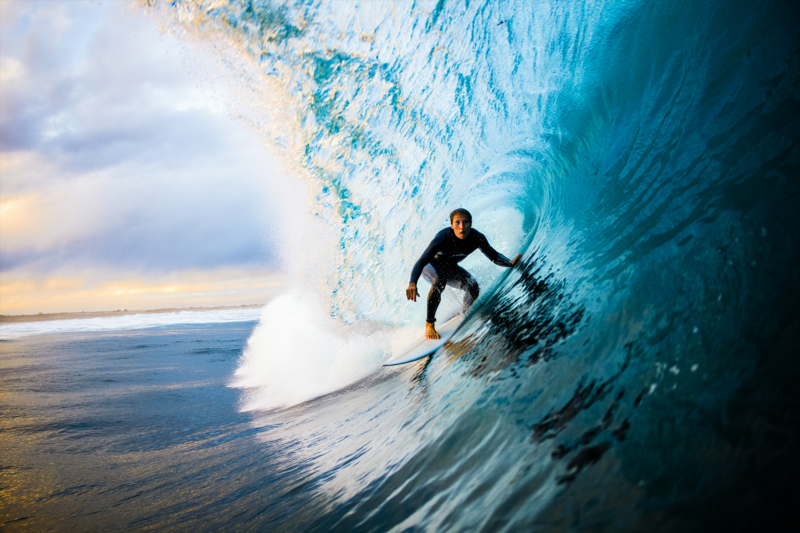
Understanding the Role of Fear in Big Wave Surfing
Big wave surfing is an extraordinary sport that pushes athletes to their physical and mental limits. The thrill of riding massive swells comes with inherent risks, making fear a natural and powerful emotion. Fear activates our primal survival instincts—heightening awareness, sharpening focus, and preparing the body for action. However, when unmanaged, it can paralyze decision-making, sabotaging even the most experienced surfers.
How Fear Influences Choices in Extreme Conditions
In the context of large waves, fear can impact decision making in several ways:
- Delayed or Hesitant Response: Fear may cause hesitation during critical moments, such as takeoff or wipeouts, increasing the risk of mishandling the wave.
- Overcorrection: Anxiety might lead to overly cautious actions, preventing surfers from fully harnessing the wave’s power.
- Cognitive Freeze: Excessive fear can result in mental shutdown, impairing judgment and reaction speed.
- Risk Assessment Distortion: Fear can either exaggerate dangers, leading to unnecessary withdrawal, or underestimate risks due to adrenaline, causing reckless behavior.
Strategies to Overcome Anxiety and Foster Confident Decision Making
Developing mental resilience and strategic awareness is key to mastering fear in big wave surfing. The following strategies can help athletes transform anxiety into focused action:
1. Mental Rehearsal and Visualization
- Visualize Success: Regular mental imagery of calm, controlled rides enhances confidence and prepares the mind for real scenarios.
- Pre-Surf Meditation: Techniques like mindfulness meditation reduce stress and anchor awareness during high-pressure moments.
2. Progressive Exposure and Skill Building
- Start Small: Gradually tackling bigger waves builds familiarity and reduces fear response over time.
- Simulation Training: Use of virtual reality or controlled environments sharpens decision skills in safe settings.
3. Developing a Clear Risk Management Framework
- Set Personal Limits: Define thresholds for wave size, conditions, and risk tolerance.
- Implement Decision Triggers: Establish mental cues—such as ‘when I see this, I act’—to bypass hesitation.
4. Cultivating a Supportive Mentality
- Stay Present: Focus on immediate sensations, reducing catastrophic thinking about worst-case scenarios.
- Embrace Fear as Energy: View adrenaline and fear as tools that heighten your alertness, rather than obstacles.
The Neuroscience Behind Fear and Decision Making
Understanding the brain’s response to fear can empower surfers to manage it effectively:
| Brain Region | Function in Fear Response | Implication for Surfers |
| Amygdala | Processing threat detection | Triggers fight-or-flight reactions—awareness is crucial. |
| Prefrontal Cortex | Rational decision making | Critical for assessing risks and controlling impulses. |
| Hippocampus | Memory formation | Helps recall past experiences to inform current choices. |
Effective training aims to strengthen prefrontal cortex activity, promoting rational responses over impulsive reactions driven by the amygdala.
Transforming Fear into a Tool for Better Performance
By understanding and managing fear, surfers can:
- Develop Greater Self-awareness: Recognize personal response patterns and adjust strategies accordingly.
- Enhance Focus and Presence: Maintain clarity during critical moments, improving decision quality.
- Build Mental Resilience: Persist through setbacks, viewing challenges as opportunities for growth.
Frequently Asked Questions
How can I tell if my fear is helping or hindering me?
- Helping: Focused alertness, quick reactions, and strategic caution.
- Hindering: Hesitation, doubt, over-cautiousness, or feeling frozen.
What are practical exercises to reduce fear before hitting the big waves?
- Deep breathing and mindfulness meditation
- Visualization of successful rides
- Journaling fears and setting intentions
- Gradual exposure to progressively larger waves
Is fear ever a good thing in surfing?
Yes. Fear can serve as a vital warning system, prompting caution and encouraging respect for the ocean’s power. The goal is to harness this emotion to heighten awareness without letting it dominate your decision-making.
Mastering the psychology of fear and decision making in big waves is essential for transforming surfing into a mastery-driven, confident sport. By applying psychological insights, neural understanding, and strategic mental practices, you can turn anxiety into a catalyst for safe, precise, and exhilarating rides. Explore these strategies today, and elevate your big wave surfing with resilience and clarity—because in the ocean of uncertainty, your mind is your most powerful surfboard.
Ready to conquer your fears and ride with confidence? Join our mental training program today and unlock the full potential of your surfing mind!