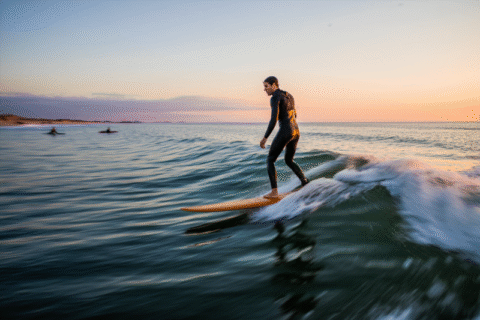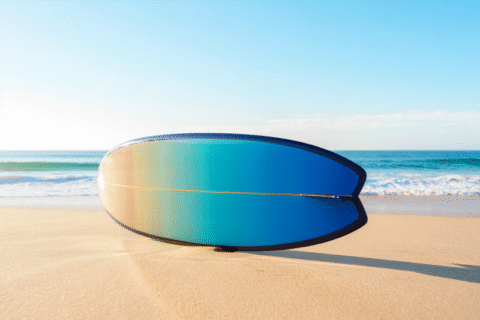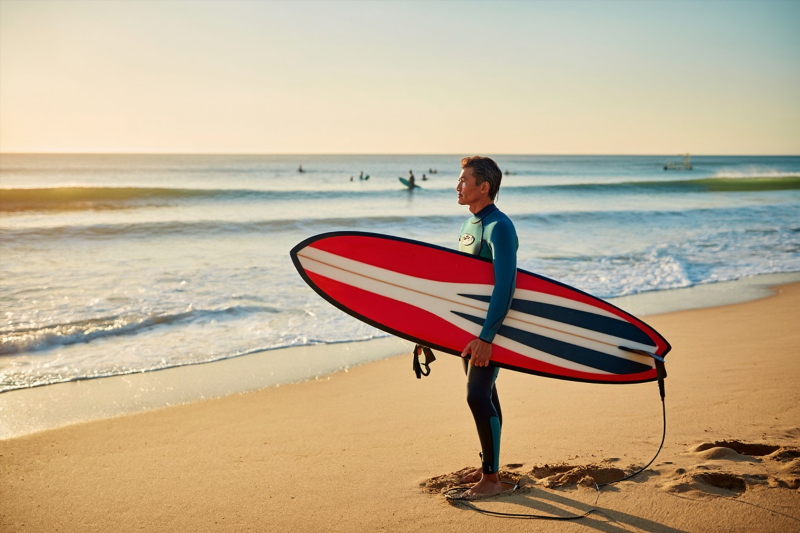
Transitioning from a SoftTop to a performance surfboard marks a significant upgrade in your surfing journey. This shift can unlock faster, more dynamic rides, greater control, and a deeper connection with the waves—if done correctly. At WaveFlow Dominion, our mission is to decode surf and board mechanics, helping surfers of all levels harness ocean psychology, scientific insights, and expert strategies to elevate their craft. In this article, we’ll explore proven tips and practical guidance for a seamless transition, ensuring your new performance board feels like an extension of your body and mind.
Why Transition from SoftTop to Performance Board?
Benefits of Upgrading Your Surfboard
- Enhanced Speed and Maneuverability: Performance boards are designed for quick acceleration and sharp turns.
- Better Paddle Power and Takeoff: More streamlined shapes improve paddling efficiency.
- Increased Control and Precision: Superior control allows for more advanced tricks and better ride quality.
- Progressive Learning Curve: Transitioning encourages learning wave mechanics more deeply.
When is the Right Time to Switch?
- You’ve mastered basic skills on a SoftTop.
- You’re catching more waves with confidence but crave further progression.
- Your surfing style is evolving toward more technical maneuvers.
- Your body’s paddling and positioning can handle a more responsive board.
Expert Tips for a Seamless Transition
1. Choose the Right Performance Board
Selecting a board suited to your skill level and wave conditions is crucial.
| Key Factors | Recommendations |
| Size | Slightly smaller than your SoftTop for agility |
| Shape | Shorter, narrower, with a more pronounced rocker |
| Volume | Maintain enough volume to paddle efficiently, but less than SoftTop |
| Material | Lighter, responsive materials for better control |
2. Focus on Your Paddling Technique
Performance boards demand efficient paddling.
- Improve Stroke Efficiency: Engage core muscles; keep elbows high.
- Optimize Body Position: Keep hips low and streamline your body.
- Practice Wave Entry: Find the sweet spot for paddling into waves comfortably.
3. Adjust Your Takeoff Strategy
Takeoff on a performance board is faster; anticipate this shift.
- Position Correctly on the Wave: Be proactive with your takeoff.
- Select the Right Spot: Look for steep, clean sections for quick paddling.
- Timing Is Key: Practice to develop instinctive takeoff timing suited to your new board.
4. Master Balance and Control
The responsiveness requires refined balance skills.
- Stay Low: Maintain a centered stance for stability.
- Use Your Legs: Bending knees for shock absorption and control.
- Focus on Board Sensation: Develop a feel for board reactions to improve responsiveness.
5. Adapt Your Stance and Technique
Small adjustments can make a big difference.
- Widen Your Stance Slightly for stability.
- Shift Your Weight Properly: Forward for speed, back for control.
- Learn to Use Your Arms for Balance and Steering.
6. Practice in Similar Conditions
Start on familiar waves to build confidence.
- Choose Moderate Waves First: Less intimidating and easier to learn control.
- Progressively Tackle Larger Waves as your comfort grows.
Additional Practical Tips
- Take a Lesson: A surf coach can provide personalized feedback.
- Watch Instructional Videos: Observe experienced surfers on performance boards.
- Log Your Progress: Keep a journal to track improvements and challenges.
- Maintain Your Equipment: Regularly check your board’s wax and fin setup.
Frequently Asked Questions
How long does it typically take to adapt to a performance board?
Adjustment times vary depending on experience and frequency of practice, but most surfers expect 5–15 sessions to feel comfortable and confident.
Can I switch back to a SoftTop if I find the performance board challenging?
Absolutely. Transition is part of surf evolution—try different boards until you find what suits your style and conditions best.
What should I do if I experience difficulty paddling or balancing?
Revisit your paddle technique, stance, and board choice. Consider working with an instructor for personalized tips.
Switching from a SoftTop to a performance surfboard is a transformative step in your surfing evolution. By choosing the right equipment, refining your paddling and takeoff strategies, and practicing deliberately, you’ll experience faster progression and greater enjoyment. Remember, every surfer’s journey is unique—embrace the learning curve and let ocean psychology, board mechanics, and expert insights guide you toward mastery on the wave.
Ready to elevate your surfing? Embrace the transition with confidence and unlock new wave-riding possibilities. Dive into our surf coaching programs or browse our guide to performance boards—your next big wave awaits!