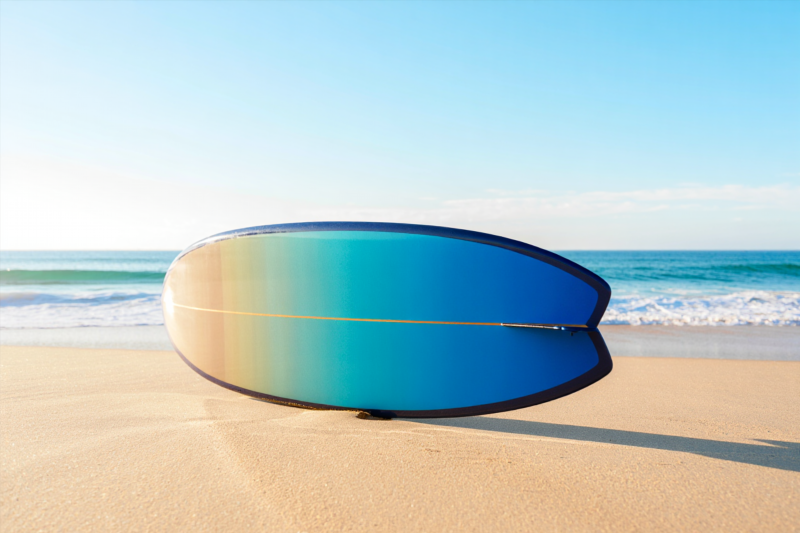
Surfing is both an art and a science—an exhilarating sport where the right equipment can dramatically elevate your performance. At WaveFlow Dominion, we delve into the intricacies of surfboard materials and how they influence flex, speed, and stability—key factors that determine how effectively you ride the waves. Whether you’re a beginner seeking more forgiving gear or a pro aiming for precise control, understanding material science helps you select the perfect surfboard tailored to your style and conditions.
Why Surfboard Material Matters
The Role of Material Composition in Surfing Dynamics
The structure of a surfboard isn’t just about aesthetics; it directly impacts:
- Flexibility: How much the board bends under load, affecting maneuverability.
- Speed: How fast the board glides through water, influenced by weight and surface properties.
- Stability: The board’s ability to maintain balance, especially in challenging conditions.
Different materials and construction techniques can optimize these attributes to align with your surfing goals.
Common Surfboard Materials and Their Impact
| Material Type | Characteristics | Best For | Impact on Flex | Effect on Speed & Stability |
| Polyurethane Foam (PU) | Traditional foam core, often with fiberglass cloth | Beginners, cruising | Moderate flex | Smooth ride, moderate speed |
| Polystyrene Foam (EPS) | Lighter, with epoxy resin | Advanced riders, competitions | Slightly more flexible than PU | Increased speed, lighter weight |
| Carbon Fiber Reinforcement | High-strength, lightweight fibers | Professionals, performance surfing | Increases stiffness, reduces unwanted flex | Higher speed, precise control |
| Kevlar and Fiberglass Layering | Adds strength and durability | All skill levels | Varies—fiberglass influences flex | Improved stability with enhanced safety |
| Wooden Surfboards | Natural, traditional material | Eco-conscious surfers, collectors | Significant flex | Slower but very stable, great for specific styles |
How Material Choices Influence Surfing Performance
Flex: Enhancing Maneuverability and Responsiveness
- More Flex: Boards with greater flex, such as those with thicker foam cores or natural wooden paddles, respond intuitively during turns, allowing for dynamic maneuvers.
- Less Flex: Stiff boards, often reinforced with carbon or kevlar, provide quick responsiveness and better control on larger waves.
Speed: Achieving Faster Ride Dynamics
- Lightweight Materials: EPS foam combined with epoxy resin significantly reduces weight, making paddling easier and increasing speed.
- Surface Finish: High-quality resin and smooth lamination reduce drag, further improving glide.
Stability: Ensuring Balance and Confidence
- Wider Thickness and Bottom Design: Heavier, more rigid materials enhance stability, ideal for beginners or surf in choppy conditions.
- Rigid Reinforcements: Reinforced with fiberglass or carbon, they help maintain shape and balance during aggressive rides.
Tips for Choosing the Right Surfboard Material
- Assess Your Skill Level and Goals
- Beginners benefit from more forgiving, flexible boards like PU core with fiberglass.
- Advanced surfers might prefer lightweight EPS boards with carbon reinforcements for speed and responsiveness.
- Consider Surf Conditions
- Choppy or rough conditions: opt for more durable, stiffer boards.
- Clean, barreling waves: prefer lighter, more flexible boards for maneuverability.
- Balance Flex, Speed, and Stability
- Prioritize flexibility for quick turns.
- Focus on speed if racing or quick paddling is your goal.
- Maintain stability if you’re developing confidence or surfing in challenging environments.
- Consult with Shapers and Experts
- Custom boards can be tailored with specific materials to meet your unique needs and preferences.
FAQs About Surfboard Materials
How does foam type affect surfboard performance?
Foam type determines weight, flex, and durability. Polyurethane offers a classic feel with balanced flex, while EPS is lighter and more resistant to impact.
Are high-tech materials worth the investment?
Yes. Carbon fiber and advanced composites enhance performance attributes like speed and control, especially necessary for competitive surfing.
Can changing materials extend my surfboard’s lifespan?
Durable laminations and reinforcements like fiberglass and kevlar can significantly increase a board’s longevity, especially when surfed in rugged conditions.
Choosing the right surfboard materials is a blend of science and personal preference. By understanding how each component influences flex, speed, and stability, surfers can make informed decisions tailored to their skill set and surf environment. At WaveFlow Dominion, we believe that mastering your equipment—down to the materials—transforms surfing into a deeply intentional, measurable sport where body and ocean harmonize for peak performance.
Ready to Elevate Your Surfing?
Explore our curated selection of surfboards designed with innovative materials for every skill level. Contact us today or visit our shop to find the perfect board that will unlock your surfing potential!