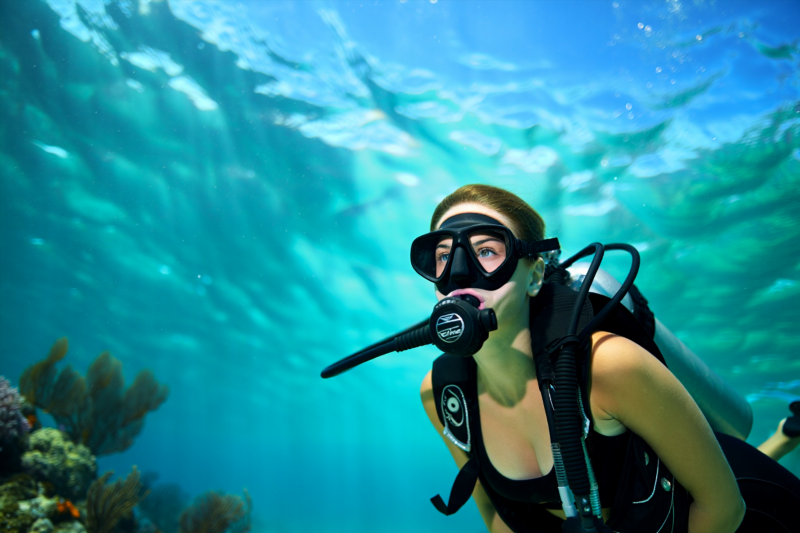
In the dynamic world of surfing and ocean sports, confidence is a critical factor that distinguishes good athletes from exceptional ones. This principle seamlessly extends beneath the waves, where a diver’s confidence significantly impacts their performance, safety, and overall experience. Underwater confidence training has emerged as a transformative approach that empowers divers to overcome fears, enhance skills, and optimize safety—turning every dive into a mastery of skill and self-trust.
The Psychology of Underwater Confidence
Overcoming Fear and Anxiety
Fear is a natural response to the unfamiliar and potentially dangerous environment of deep water. Underwater confidence techniques help divers:
- Reduce anxiety linked to the unknown or equipment failure.
- Develop mental resilience to remain calm during unexpected situations.
- Build trust in their training, equipment, and environmental understanding.
Focus and Presence
Confidence fosters intense focus and mindfulness, which are vital for:
- Precise maneuvering.
- Recognizing and responding to subtle cues underwater.
- Maintaining composure amidst challenging conditions.
This mental clarity is akin to the focus needed in high-performance surfing, where calm and control are paramount.
Core Underwater Confidence Techniques
Implementing structured confidence-building methods can elevate diving skills efficiently. Here are some proven techniques:
| Technique | Purpose | Key Benefits |
| Breath Control Exercises | Enhance breath-hold ability and calmness | Greater breath management and reduced panic |
| Gradual Exposure and Skill Projection | Increase comfort in new environments through incremental challenge | Builds familiarity and reduces environmental fear |
| Visualization and Mental Rehearsal | Prepare for real-world scenarios | Boosts confidence and anticipation management |
| Simulated Emergency Drills | Prepare for unforeseen events | Instills trust in skills and decision-making |
Example: Breath Mastery for Calmness Underwater
Focusing on controlled breathing, such as diaphragmatic or box breathing, helps divers:
- Lower heart rate.
- Stay relaxed during stressful incidents.
- Maintain stamina and agility during prolonged dives.
How Underwater Confidence Translates to Performance and Safety
Enhancing Technical Skills
Confidence allows divers to:
- Paddle efficiently, conserving energy.
- Achieve better buoyancy control, reducing fatigue.
- Execute precise maneuvers, such as tricky entry or retrieval tasks.
Improving Safety Protocols
Confident divers are less likely to panic, which:
- Minimizes risk of injury or equipment mishandling.
- Enhances situational awareness.
- Promotes proactive problem-solving.
Building a Resilient Diving Mindset
Training fosters a growth mindset—viewing challenges as opportunities for improvement rather than threats. This attitude directly impacts:
- Developing adaptability in unpredictable ocean conditions.
- Persisting through difficult dives with positive outlooks.
Why Every Diver Should Incorporate Confidence Training
Diving is not just about technical skill — it’s equally about mental readiness. Underwater confidence training bridges the gap between capability and performance, making every dive safer and more rewarding. Whether you are a beginner learning the basics or a seasoned professional exploring advanced maneuvers, confidence techniques are invaluable in elevating your underwater experience.
Common Questions About Underwater Confidence Training
Q1: Can confidence training prevent diving accidents?
While no training can eliminate risks entirely, confidence training significantly reduces panic-related incidents, enabling divers to handle emergencies calmly and effectively.
Q2: How long does it take to see results?
Results vary based on individual commitment and consistency. Most divers notice improvements within a few sessions, especially with guided mental and breath control exercises.
Q3: Is confidence training suitable for all skill levels?
Absolutely. From beginners to advanced divers, tailored confidence exercises can enhance their core skills and safety.
Final Thoughts: Dive into Confidence for Better Performance
Incorporating underwater confidence techniques is a vital step toward mastering the art of diving. Reduced fear, enhanced focus, and proactive safety measures empower divers to perform at their best while enjoying the ocean’s wonders. As with mastering wave mechanics in surfing, confidence underpins every successful dive—making it not just a skill, but a core element of ocean mastery.
Ready to elevate your diving skills? Incorporate proven confidence techniques today and unlock your full underwater potential!