The evolution of water attractions has taken a giant leap forward with the rise of wave pools. These innovative aquatic venues are transforming the way enthusiasts, athletes, and thrill-seekers experience the ocean’s power in controlled environments. As the industry advances, understanding the benefits and drawbacks of wave pool innovations is crucial for operators, investors, and visitors alike. Whether you’re considering investing in a new water park or seeking the ultimate surfing experience, this article explores how wave pools are shaping modern water attractions—highlighting their advantages and disadvantages to help you make informed decisions.
The Rise of Wave Pool Innovations in Water Attractions
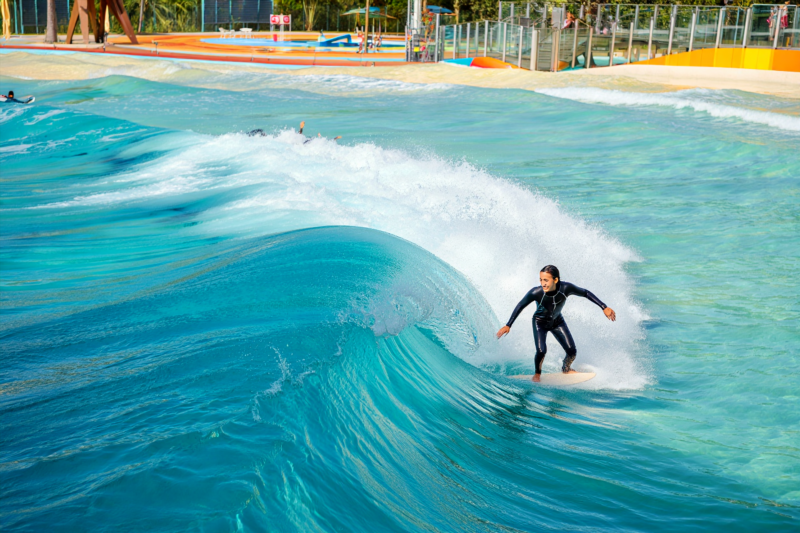
Wave pools have moved beyond simple artificial ponds, becoming complex, technologically-driven recreation centers. Today’s wave pools utilize advanced engineering to simulate natural ocean conditions, offering a wide range of surfing and bodyboarding experiences. These innovations are redefining entertainment, competition, and athletic training arenas worldwide.
Advantages of Wave Pool Innovations
1. Controlled Environment for Consistent Waves
One of the most significant benefits of modern wave pools is their ability to produce consistent, reliable waves. This control allows surfers of all skill levels—from beginners to pros—to practice and compete without dependency on unpredictable weather or natural ocean conditions.
2. Extended Operating Hours and All-Weather Availability
Unlike natural beaches, wave pools can operate year-round, regardless of weather conditions. This reliability ensures continuous access to surfing and water activities, boosting tourism and local recreation options.
3. Safety and Customization
Wave pools incorporate safety features such as shallow zones, safety barriers, and trained lifeguards. Additionally, advanced technology allows customization of wave size, frequency, and type (e.g., for beginners or adrenaline junkies), enhancing user experience.
4. Opportunities for Competitive Events and Training
Innovative wave pools serve as prime venues for professional surfing competitions and training facilities. Their controlled setting enables precise measurement of performance metrics, contributing to sport development and athlete honing.
5. Minimal Environmental Impact on Oceans
By centralizing water recreation in specified pools, natural coastlines and oceans experience less environmental pressure, such as erosion and pollution, promoting sustainable tourism.
Disadvantages of Wave Pool Innovations
1. High Capital and Operational Costs
Constructing and maintaining state-of-the-art wave pools require significant investment in technology, infrastructure, and skilled personnel. These costs can be prohibitive for smaller operators or new entrants.
2. Limited Natural Experience and Authenticity
Despite technological advances, wave pools may lack the organic feel and unpredictability of the natural ocean, which some surfers and thrill-seekers highly value. This can impact the perceived authenticity of the surfing experience.
3. Environmental Concerns
While wave pools can reduce pressure on oceans, they often consume large amounts of energy and water, raising sustainability questions. The ecological footprint depends on the technology used and operational practices.
4. Potential Overcrowding and Management Challenges
Popular wave pools may attract large crowds, leading to overcrowding, safety risks, and management challenges. Ensuring a quality experience requires sophisticated operational strategies.
5. Limited Ecosystem and Biodiversity Interaction
Unlike natural beaches, wave pools do not support marine ecosystems or biodiversity, which could be a drawback for eco-conscious visitors seeking naturalistic experiences.
Shaping the Future of Water Attractions
The continuous innovation in wave pool technology is shaping a new era for water attractions—making surfing more accessible, safer, and more sustainable. Combining the thrill of the ocean with the control of modern engineering, these developments pave the way for diverse recreational, competitive, and training opportunities worldwide.
Choosing the Right Water Attraction: What to Consider
When evaluating wave pool options, consider:
| Criterion | Description |
| Budget | Capital investment vs. anticipated revenue and operational costs. |
| Target Audience | Beginners, pros, families, or event organizers. |
| Environmental Impact | Energy consumption, sustainability initiatives. |
| Customization Capabilities | Wave size, frequency, and type adjustments. |
| Experience Authenticity | Natural feel versus controlled environment. |
| Safety and Management | Safety features, crowd control, staffing. |
Final Thoughts
Wave pool innovations are revolutionizing water attractions, offering a blend of safety, accessibility, and technological marvels. While they come with notable advantages—such as consistent waves, extended accessibility, and competitive opportunities—there are also considerations like high costs and environmental impacts. Understanding these pros and cons enables stakeholders to make informed decisions aligned with their goals, whether for entertainment, sport development, or sustainable tourism.
Start discovering new aquatic experiences today—explore cutting-edge wave pool solutions and learn how these innovations can elevate your recreational or competitive pursuits.
Interested in investing or designing your own water attraction? Contact our expert team today to get personalized advice on wave pool technologies and operational strategies that align with your vision.