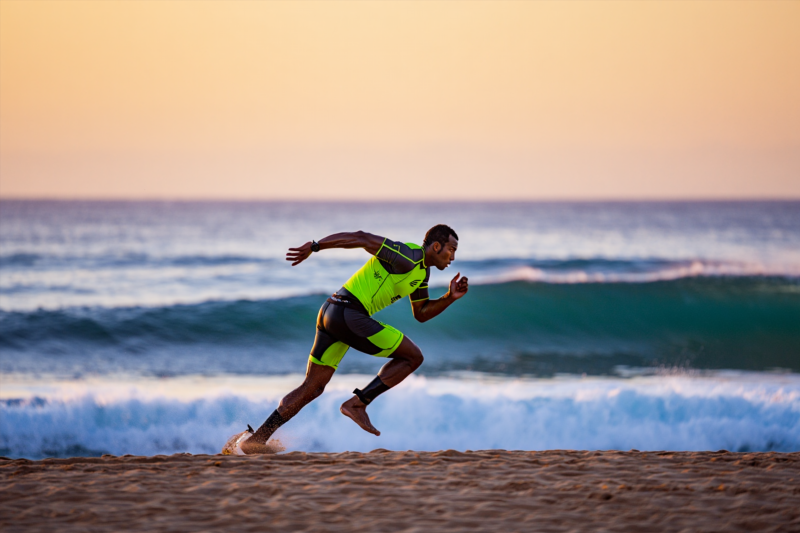
Unlocking the Secrets of Endurance Sprinting in Big Wave Surfing
Big wave surfing is arguably the most extreme and demanding sport in the ocean. It requires not only courage but also exceptional physical and mental resilience to conquer towering waves that can reach heights of over 60 feet. While many associate traditional surf training with paddling endurance and wave reading skills, an increasing number of elite big wave athletes are turning to a surprising training method: sprinting endurance training.
This article explores why big wave surfers adopt sprint training routines to elevate their stamina, speed, and overall performance. Discover how blending the principles of sprint endurance with oceanic mastery transforms surfers into faster, more agile, and ultimately more successful wave riders.
The Science Behind Sprint Training and Surf Performance
Why Sprinting Matters for Big Wave Athletes
Sprinting isn’t just about short bursts of speed; it’s a comprehensive training tool used by endurance athletes to enhance:
- Explosive Power: Critical for quick takeoffs and paddle strokes.
- Speed & Agility: To maneuver swiftly on unpredictable wave faces.
- Mental Fortitude: To sustain high-intensity efforts under stress.
For big wave surfers, these qualities are essential when paddling into massive surf or executing rapid maneuvers in turbulent conditions.
Neuromuscular Benefits
- Enhanced Muscle Recruitment: Sprinting develops fast-twitch muscle fibers responsible for quick, powerful movements, which are vital during wave takeoff and quick response actions.
- Improved Reaction Time: High-intensity bursts train the nervous system to respond rapidly—a crucial factor when a wave suddenly shifts or changes.
How Big Wave Surfers Incorporate Sprint Training
Structured Sprint Endurance Workouts
Big wave surfers integrate specific sprint routines into their training regimes, such as:
| Training Component | Description |
| 100-Meter Sprints | Short, maximum-effort sprints to build explosive power. |
| Interval Runs | Alternating between high-speed sprints and recovery jogs to simulate ocean effort. |
| Hill Sprints | Uphill sprints to improve leg strength and paddling power. |
Cross-Training Techniques
- Paddling Sprints: Mimicking wave entry by sprinting while paddling to boost paddling efficiency.
- Sand Sprint Curriculums: Using sandy terrain for resistance training, enhancing core stability and leg drive.
The Psychological Edge of Sprint Training
Building Resilience and Focus
The high-intensity nature of sprint workouts trains big wave surfers to stay calm and focused under pressure—mirroring the urgency experienced when facing a massive point surf or a fast-breaking wave.
Confidence and Momentum
Success in sprint training translates into a mental readiness that empowers surfers to execute precise, aggressive movements when it counts most.
Evolution of Training Strategies in Modern Surf Culture
From Endurance to Explosive Power
Traditional surfing emphasized steady paddling and calm prowess, but modern surf culture recognizes the importance of explosive power and rapid response. Incorporating sprint training reflects this evolution, emphasizing performance optimization.
Deepening Ocean-Human Connection
Elite surfers understand that training is not only about physical readiness but also about aligning their body and mind with the ocean’s dynamic forces.
Example: Training Regimen for Big Wave Success
| Week Breakdown | Focus Area | Sample Exercise |
| Week 1-2 | Paddling endurance | Continuous paddling sessions with sprint intervals every 10 minutes. |
| Week 3-4 | Explosive paddling and takeoff power | 8 x 100m sprints combined with wave simulation drills. |
| Week 5-6 | Recovery & mental focus | Light paddling + visualization practices. |
FAQs: Your Our Next Questions
Q: How often should big wave surfers incorporate sprint training?
A: Typically, 2-3 sessions per week are sufficient to see strength and resilience gains without overtraining. It’s essential to balance intensity with proper recovery.
Q: Can sprint training benefit non-professional surfers?
A: Absolutely. Even recreational surfers can improve paddling stamina, reaction times, and wave response by integrating sprint exercises into their fitness routine.
Q: Is sprint training safe for beginners?
A: With proper guidance and gradual progression, sprint workouts can be safe. Always consult a fitness professional to tailor routines suit your fitness level.
Final Thoughts: Elevate Your Surfing with Strategic Sprint Training
In the realm of big wave surfing, pushing the boundaries of human capability often involves innovative training strategies. Sprint training endows surfers with explosive power, speed, and mental resilience—indispensable assets when facing the ocean’s colossal challenges. By adopting these methods, not only do big wave athletes enhance their performance, but they also deepen their connection with the powerful, unpredictable nature of the sea.
Ready to transform your surfing? Incorporate sprint endurance into your training today and take your performance to the next level—a wave of mastery awaits!
Transform your training. Master the wave. Conquer the extraordinary.