Understanding Why Beginners Struggle with Takeoffs
Starting your surfing journey is an exhilarating experience, but many beginners find themselves overwhelmed during takeoff—the critical moment when you transition from paddling to riding the wave. Understanding the common pitfalls can help you develop targeted strategies to improve your performance on every wave. Let’s explore why most beginners fail at takeoffs.
Common Reasons for Takeoff Failures
- Poor Paddling Technique: Inefficient paddling leads to insufficient wave speed, making it difficult to catch and ride the wave properly.
- Timing Errors: Misjudging the wave’s peak or starting the takeoff too early or late hampers your ability to stand up smoothly.
- Lack of Positioning: Being too far forward or backward on the board affects stability and the ability to generate momentum.
- Inadequate Balance and Control: Hesitation or imbalance causes falling off the board before fully riding the wave.
- Insufficient Wave Reading Skills: Failure to identify the right wave or to understand wave behavior reduces success rates.
The Impact of Ocean and Equipment Factors
Environmental elements and gear also influence takeoff success:
- Wave Size and Shape: Small or unruly waves make takeoffs more challenging.
- Board Design and Size: Using an inappropriate board for your skill level or wave conditions can hinder takeoff performance.
- Weather Patterns: Wind and swell patterns affect wave quality and consistency, impacting opportunities for successful takeoffs.
Strategies to Improve Takeoff Performance
Translating these insights into actionable steps can dramatically increase your success rate and boost confidence in your surfing skills.
1. Perfect Your Paddling Technique
Mastering efficient paddling is the foundation of a good takeoff. Focus on:
- Streamlined Body Position: Lie flat and avoid unnecessary movements.
- Powerful, Consistent Paddle Strokes: Use your arms and torso to generate maximum speed.
- Proper Hand Placement: Place your hands shoulder-width apart, pushing straight back to propel forward.
*Tip*: Practice paddling drills on land and in the water to develop endurance and technique.
2. Improve Your Wave Reading and Timing
Success hinges on understanding wave behavior:
- Observe the Ocean: Spend time watching surf sessions to recognize peak waves.
- Identify Ideal Takeoff Points: Position yourself where the wave begins to crest.
- Practice Timing Your Paddle: Start paddling sharply just before the wave reaches you to match its speed.
*Tip*: Use slow-motion analysis of professional surfers to internalize timing cues.
3. Enhance Your Positioning and Balance
Proper placement on the board makes all the difference:
- Stay Slightly Forward on Your Board: This helps catch the wave earlier and maintain momentum.
- Center Your Weight: Keep your hips and shoulders aligned to stay balanced.
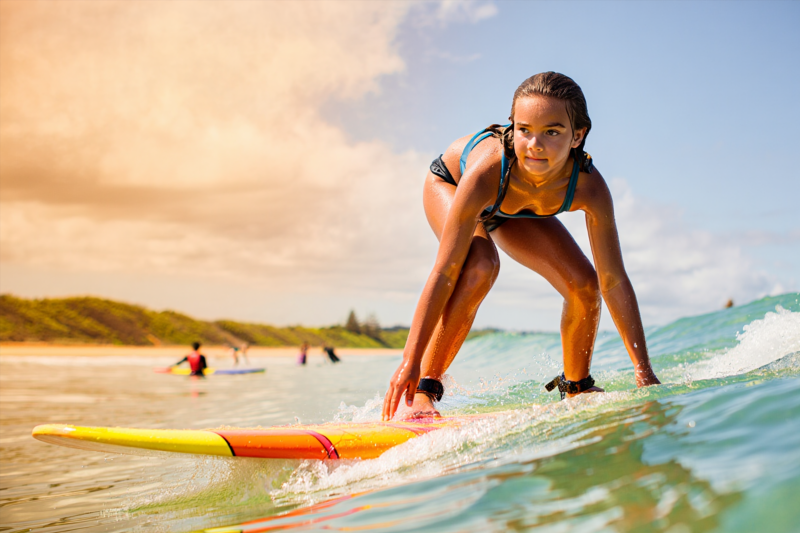
- Pre-Set Your Feet: Position your feet shoulder-width apart, with knees slightly bent.
*Tip*: Use mirror or video feedback to monitor your stance and balance.
4. Build Strength and Confidence
Physical readiness complements technical skills:
- Core Exercises: Strengthen your core to improve stability.
- Paddling Endurance: Incorporate cardio and paddling drills into your routine.
- Mental Preparation: Develop focus and calmness through visualization and breathing exercises.
5. Use the Right Equipment
Appropriate gear accelerates learning:
| Equipment Tip | Description |
| Board Size | Larger, more stable boards are ideal for beginners. |
| Fins | Ensure fins are suitable for the board and conditions. |
| Wax | Use appropriate grip wax for better footing during takeoff. |
*Tip*: Consult with local surf shapers to select equipment tailored to your skill level and local wave conditions.
Frequently Asked Questions (FAQs)
How long does it take to improve takeoff skills?
Progress varies, but with consistent practice—aiming for 2–3 sessions per week—beginners often see noticeable improvements within 4–8 weeks.
Are there specific drills to practice takeoffs on land?
Yes. Practice pop-up drills on land using a mirror to perfect your motion, and simulate wave timing with a partner or using video cues.
Can I improve my takeoffs in small waves?
Absolutely. Small waves are ideal for practice, allowing you to focus on technique without the pressure of larger, more powerful waves.
Final Thoughts: Turning Failure into Progress
Most beginners experience initial failures during wave takeoff—they’re part of the learning process. By understanding common mistakes and applying targeted strategies, you can develop mastery in paddling, timing, and balance. Remember, surfing is a harmony between your body, equipment, and the ocean. With patience, practice, and the right mindset, you’ll transform takeoff frustration into confident rides, turning surfing into a skill you can train, measure, and deeply enjoy.
Ready to elevate your surfing game? Dive into focused practice today and turn your wave takeoffs from hesitant to heroic!