Why Proper Hip Alignment Boosts Stability Better Than Feet
Understanding the Foundation of Balance in Surfing and Athletic Performance
When it comes to achieving superior stability on the wave or during any athletic movement, many enthusiasts and athletes naturally focus on their feet — adjusting stance width, shifting weight, or finding the perfect footing. While foot placement is important, emerging research and expert insights reveal that hip alignment plays a more crucial role in maintaining balance, control, and fluidity.
WaveFlow Dominion, a performance-driven surfing platform, explores how the body’s core and hip positioning influence wave mastery and athletic efficiency. By decoding the mechanics behind body movement, this article emphasizes why hip positioning—not just foot adjustment—is fundamental to achieving athletic harmony and stability.
The Science Behind Hip Alignment and Stability
The Role of the Hips as the Body’s Power Center
The hips act as the central pivot point for many movements, serving as the bridge between the legs and upper body. Proper hip alignment creates a solid foundation that allows for more effective transfer of energy, better balance, and smoother motion.
*Key points:*
- Center of Gravity Control: The hips help position the body’s center of gravity optimally over the base of support.
- Efficient Force Transfer: Proper hip positioning allows for better application and transfer of power during paddling, takeoff, or maneuvering.
- Enhanced Balance & Control: Stabilizing the hips improves the body’s overall control, even in turbulent conditions.
Why Feet Alone Can Mislead You
Many surfers and athletes depend heavily on adjusting their feet — widening stance, shifting weight, or toe/heel positioning — to compensate for balance issues. Although these adjustments provide some immediate benefits, they don’t address the root of stability: the way the hips are aligned and engaged.
*Common pitfalls:*
- Over-reliance on foot adjustments can cause unnecessary strain or imbalance.
- Focusing only on feet may neglect core stability, which undermines overall control.
- Misaligned hips lead to compensatory foot movements, decreasing efficiency.
Practical Tips to Improve Balance Through Hip Alignment
Achieving better stability starts with conscious movement and posture awareness. Follow these simple, practical tips to harness the power of your hips:
1. Engage Your Core and Hip Muscles
- Activation exercises: Incorporate planks and hip bridges into your routine.
- Focus: Keep your hips level and engaged during movements to maintain alignment.
2. Practice Hip Mobility Drills
- Hip circles: Rotate hips clockwise and counterclockwise to improve flexibility.
- Lunges and Squats: Emphasize proper hip positioning throughout the movement.
3. Maintain Proper Posture in Your Stance
- Align hips with shoulders: Keep hips squared toward the direction of movement.
- Avoid over-tucking or over-arching: Keep a neutral pelvis position for optimal balance.
4. Use Visual and Tactile Cues
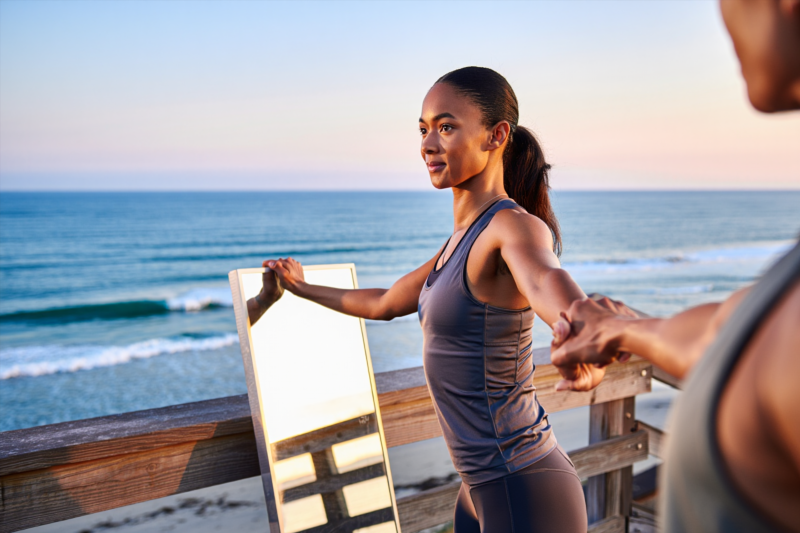
- Mirror feedback: Use mirrors or video recordings to check hip positioning.
- Partner feedback: Have a coach or teammate guide your alignment.
How Hip Alignment Translates to Surfing and Athletic Mastery
In surfing, maintaining proper hip position allows you to:
- Paddle more efficiently with less fatigue.
- Take off more cleanly and with better timing.
- Execute smoother turns and maneuvers with enhanced control.
In general athletics, good hip alignment leads to:
- Reduced injury risk via better biomechanical efficiency.
- Increased athletic power and explosiveness.
- Enhanced proprioception and balance in transitions.
Frequently Asked Questions
Q1: Is it difficult to change my hip positioning if I’m used to foot-focused balance? *Not at all. It requires awareness and consistent practice. Start with exercises emphasizing hip engagement, and gradually incorporate this into your surfing or training routine.*
Q2: Can poor hip alignment cause injuries? *Yes. Misaligned hips create compensatory stresses on joints and muscles, increasing injury risk.*
Q3: How long does it take to notice improvements? *Consistent practice over a few weeks typically leads to noticeable gains in stability and control.*
Final Thoughts: Embracing the Hip-Centered Approach
In any sport or activity relying on body control—particularly surfing—truth and performance favor central stability. Prioritizing hip alignment over sole foot adjustments unlocks a higher level of athletic mastery, making your balance more reliable, your movements more fluid, and your surfing more transformative.
Start today: Focus on your hips during training and surfing to experience the profound difference proper alignment can make. Remember, true stability begins at the core—within the hips.
Take Action Now: Ready to elevate your surf performance? Incorporate hip alignment drills into your training routine and watch as your balance and control reach new heights. Dive into the wave with confidence, powered by a solid foundation from your hips upward.
*WaveFlow Dominion: Turning surfing into a measurable, trainable, and deeply intentional sport by mastering the science of movement and ocean harmony.*